

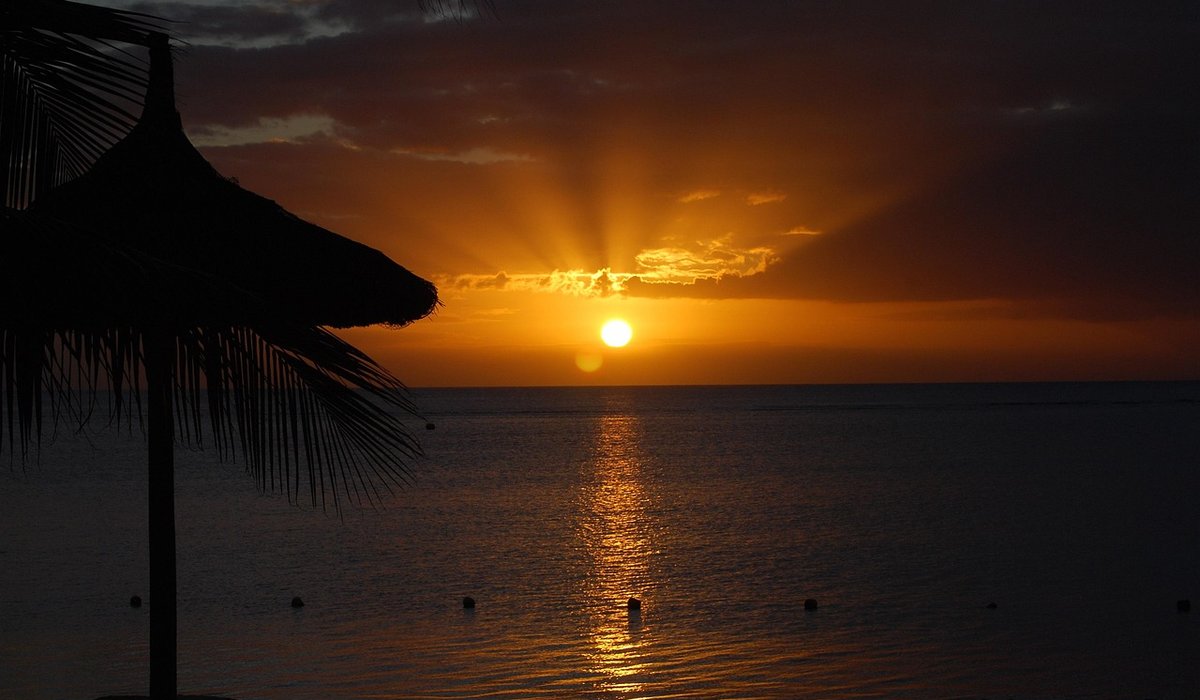
Choosing the Best Beaches for Swimming in Mauritius
Why Mauritius Rewards Careful Beach Choice
Mauritius is ringed by around 330 kilometres of coastline, but the beaches vary enormously. Some are broad, breezy and pounded by the trade winds, while others sit in deep sheltered bays where the water barely ripples. For a family holiday, that difference matters more than any hotel star rating. Get the beach right and you will spend your days floating in bath-warm shallows; get it wrong and you will be watching the kids get knocked about by waves while your sun cream melts.
The island has two coasts facing very different weather systems. The prevailing south-easterly trade winds shape the east and south, while the west and north sit largely in their lee. That single fact explains most of what you need to know about swimming conditions, and it is why a beach that is glassy in July can be choppy in January.
North Coast: The Safest All-Rounder
The north is the most reliable choice for nervous swimmers and young families. The reefs sit far offshore, creating wide lagoons with shallow, sandy bottoms and almost no current. Trou aux Biches is the classic example: a long crescent of pale sand, a lagoon so calm it looks like a swimming pool, and a gentle gradient that means toddlers can paddle metres from the shore without the water reaching their waists.
Grand Baie is busier and more commercial, with plenty of cafés, shops and boat traffic, so it suits teenagers and adults who want amenities within walking distance. Mont Choisy, just along the coast, offers a huge sweep of casuarina-backed sand and far more space to spread out. All three are at their calmest from May to November, when the north-west comes into its own.
West Coast: Sunsets, Sheltered Bays and Dry Weather
The west coast is the driest part of the island and generally the calmest year-round. Flic en Flac has a long lagoon protected by a reef, with clear water for snorkelling and lifeguards in the busier months. Tamarin is prettier and quieter, sitting at the mouth of a river, though the bay opens more directly to the sea, so currents can pick up.
Further south, Le Morne is arguably the most spectacular setting on the island, with the basalt mountain rising behind a lagoon that stretches for miles. The lagoon is shallow and beautifully clear, ideal for beginners and children, but be aware that the windsurfing and kitesurfing schools operate at the southern end. If you want peace, stay at the northern end near the hotels.
- Best for families: Flic en Flac and Le Morne (north end)
- Best for sunsets: The whole west coast, facing the horizon
- Watch out for: Sea urchins on rocky patches inside the reef
East Coast: Beautiful, But Choose Your Day
The east is the most photogenic coast, with long white beaches, offshore islets and that famous turquoise water. Belle Mare and Trou d'Eau Douce are gorgeous, and the lagoon at Belle Mare is wide enough for a proper swim. The catch is the wind. From June to September the south-easterlies blow steadily, whipping up chop inside the lagoon and making the sea uncomfortable for small children.
In the summer months, roughly November to April, the east becomes calm and idyllic. This is also cyclone season, so you should check forecasts and travel insurance carefully. Île aux Cerfs, reached by boat from Trou d'Eau Douce, has some of the clearest water in Mauritius, but it gets very crowded by midday and the boat crossings can be bumpy in a swell.
South Coast: Wild, Dramatic and Not for Everyone
The south is where Mauritius stops being a postcard and becomes raw coastline. The reef lies closer to shore, the waves break harder and there are fewer protected lagoons. Beaches such as Gris Gris and La Roche Qui Pleure are stunning to look at but genuinely dangerous for swimming, with strong currents and sudden drop-offs.
There are exceptions. Blue Bay, near the airport, has a marine park with a sheltered bay, excellent snorkelling and calm conditions in the right season. It is one of the best spots on the island for seeing fish without a boat. Elsewhere along the south, treat the sea with respect and stick to hotel beaches where staff know the local conditions.
Timing, Safety and Practical Tips
Mauritius is a year-round destination, but swimming conditions shift with the seasons. The warm, wet summer runs from November to April, with calmer seas on the east and higher humidity. Winter, from May to October, brings cooler, drier weather, calmer water in the north and west, and stronger winds on the east and south. Water temperatures rarely drop below 23°C, so swimming is comfortable in any month.
A few habits will keep you safe and comfortable wherever you go:
- Swim inside the lagoon, not beyond the reef line where currents are strong
- Avoid swimming at dawn, dusk or after heavy rain, when visibility drops
- Reef shoes are worth packing to protect against coral and urchins
- Use reef-safe sunscreen, as many lagoons are protected marine areas
- Check for red or yellow flags, and ask hotel staff about local currents
Most public beaches have basic facilities, but not all. The popular ones at Grand Baie, Flic en Flac, Belle Mare and Trou aux Biches offer parking, toilets, snack stalls and lifeguards, particularly at weekends and during school holidays. Quieter beaches may have nothing at all, so bring water, shade and a plan for lunch.
Finally, remember that public beaches in Mauritius are exactly that: public. Hotel guests and day visitors share the same sand, which keeps things friendly and means you are never far from a cold drink or a plate of grilled fish. Pick your coast to suit the season, choose a sheltered lagoon for the little ones, and Mauritius will deliver some of the easiest, loveliest swimming you will find anywhere.


Beaches
-
Learn how to hire a car, understand local driving rules and avoid hidden charges. Includes tips on parking, fuel stations and insurance cover.

Local Culture


-

Long established fact that a reader will be distracted
-

Long established fact that a reader will be distracted
-

Long established fact that a reader will be distracted


Resorts
Karla Gleichauf
12 May 2017 at 05:28 pm
On the other hand, we denounce with righteous indignation and dislike men who are so beguiled and demoralized by the charms of pleasure of the moment
M Shyamalan
12 May 2017 at 05:28 pm
On the other hand, we denounce with righteous indignation and dislike men who are so beguiled and demoralized by the charms of pleasure of the moment
Liz Montano
12 May 2017 at 05:28 pm
On the other hand, we denounce with righteous indignation and dislike men who are so beguiled and demoralized by the charms of pleasure of the moment